
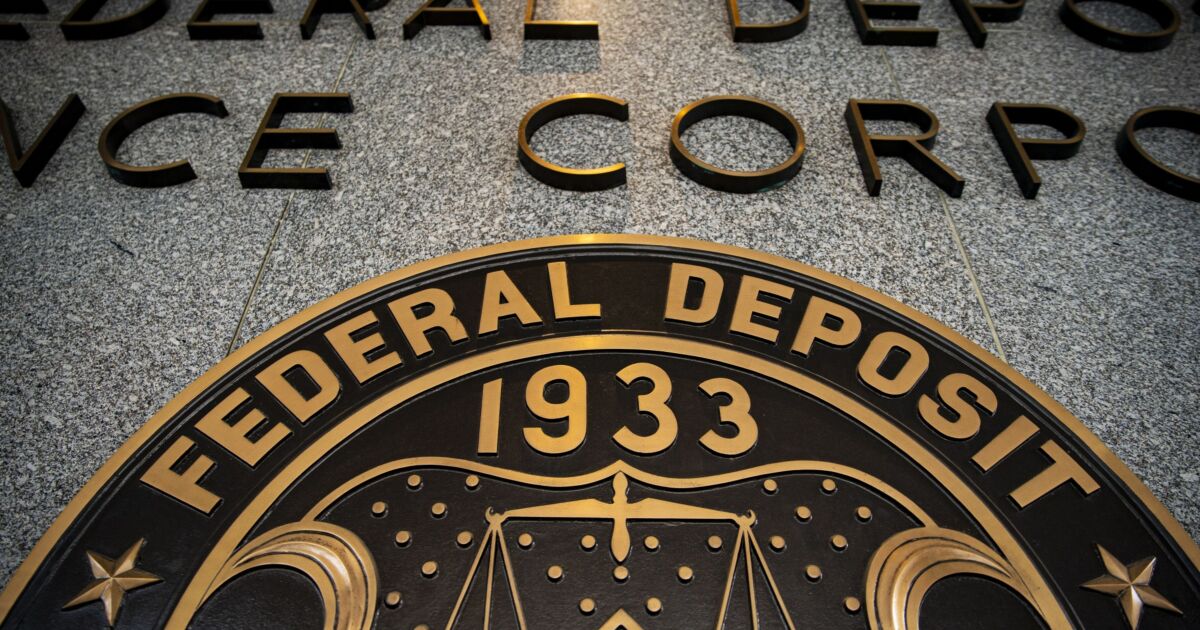
The Federal Deposit Insurance Corporation (FDIC) took significant action on March 29, 2024, by issuing consent orders against both Sutton Bank and Piermont Bank. This move signals a growing wave of scrutiny aimed at banks that engage in banking-as-a-service (BaaS) partnerships with fintech companies.
The regulatory body requires these banks to enhance their monitoring and oversight of fintech partners. This includes ensuring that due diligence is performed when these partners onboard new customers. "When the fintechs take on new customers, it's the bank's responsibility to make sure they aren't criminals, terrorists, or money launderers," remarked a regulatory spokesperson during a press briefing.
In recent months, other financial institutions including Blue Ridge Bank and Cross River Bank have faced similar consent orders, highlighting a trend towards more stringent regulatory compliance in the sector. The focus from regulators aims to enforce the Bank Secrecy Act, alongside anti-money laundering and counter-financing terrorism laws, creating an imperative that banks closely monitor the transactions processed by their fintech partners.
Sutton Bank, which holds assets totaling approximately $2.2 billion, partners with large fintech entities like Square and Robinhood. The institution is also known for managing several prepaid card programs. "Every bank that touches BaaS is getting an enforcement action," asserted Wendy Cai-Lee, the CEO of Piermont Bank, which operates with assets of $578 million and partners with companies such as Wagestream and Tuvoli.
Despite the necessity for compliance, some industry analysts voice concerns over what they perceive as regulatory overreach. Phil Goldfeder, the CEO of the American Fintech Council, argued that the actions of regulators may be counterproductive: "It absolutely looks and feels like innovation within the banking system is being disproportionately targeted by regulators who at times seem like they are trying to make a point rather than helping to build the future of financial services."
The tension between ensuring safety and fostering innovation is evident in these regulatory developments. While the intentions behind the FDIC's actions are to bolster the stability and credibility of the banking system, the response from some industry leaders suggests a call for a more balanced approach. They urge regulators to find ways to encourage responsible innovation rather than stifling it through varying degrees of regulatory pressure.
Industry stakeholders recognize the importance of maintaining compliance but believe that the current environment can deter banks from further engaging in innovative financial solutions. Cai-Lee elaborated, saying, "To ensure that a competitive financial services market exists, regulators need to find ways to encourage responsible innovation instead of stymieing it through disparate regulatory treatment."

The current landscape necessitates that banks not only comply with existing regulations but also evolve their operational frameworks to keep pace with the rapid changes in fintech. With the ongoing rise of digital banking solutions, both Sutton Bank and Piermont Bank, along with their peers, must adapt to heightened regulatory scrutiny while continuing to support the needs of their fintech partners.
Looking ahead, as regulatory frameworks continue to develop, it will be crucial for financial institutions engaged in BaaS to prioritize compliance without compromising their commitment to innovation. Establishing a collaborative dialogue between regulators and fintech banks might provide a path forward that ensures both safety and creativity in the financial services sector.