
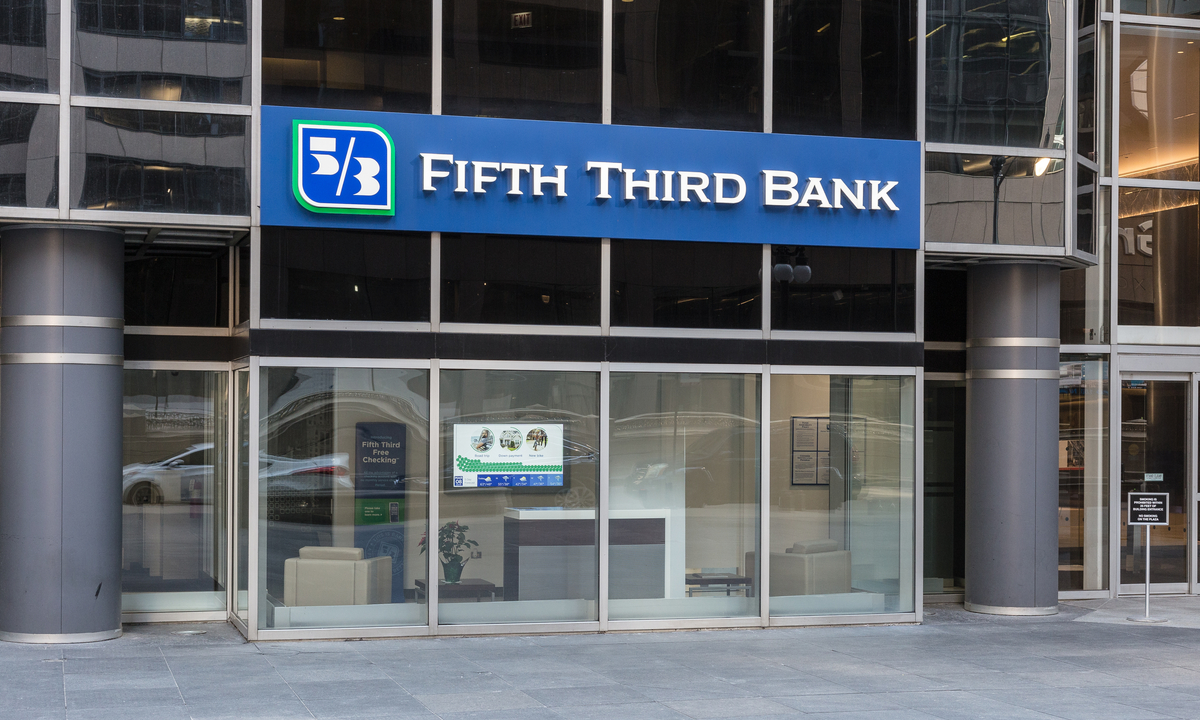
In an effort to alleviate the challenges many face when switching banks, Fifth Third Bank has rolled out a suite of new tools designed to streamline the process. The announcement, made on July 11, 2024, highlights the bank's commitment to improving customer experiences amid a competitive landscape where digital-only banks are gaining traction.
"Switching banks has historically been stressful — scheduling an appointment at a bank to fill out applications, figuring out HR processes to set up direct deposit for a new account, waiting for money to be available, and ensuring bills get paid on time,” said Fifth Third Bank in a news release. This recognition of the common pain points associated with changing banking institutions has led the bank to introduce initiatives aimed at simplifying the transition.
Among the key offerings is a direct deposit switch available to 1,000 of the country’s largest employers, which is intended to ease the burden of updating payment information with new accounts. Additionally, Fifth Third is also introducing a free overdraft window for the first 90 days of an account, a feature Ben Hoffman, the bank’s head of consumer product, believes is crucial for easing customer anxiety during the transition. "Free Overdraft Window gives customers peace of mind, especially as they navigate the bank switching process," Hoffman emphasized.
The bank’s initiative comes at a critical time as traditional banks are often pulling back on free services, presenting an opportunity for competitors in the marketplace. Fifth Third's timing aligns with recent research indicating that younger consumers are more inclined to change their banking relationships. According to PYMNTS Intelligence, 42% of Generation Z individuals with credit union accounts reported changing their banking relationships in the past year, highlighting a shift away from traditional lending structures.
"We understand that coordinating the timing of transferring existing deposits, setting up direct deposit, and moving recurring payments to a new bank is a source of stress and may prevent some customers from seeking out the best bank for them," added Hoffman. This insight into customer behavior demonstrates the bank’s recognition of the broader shifts occurring within the banking industry, particularly among younger generations.
Moreover, Fifth Third has introduced a security feature dubbed “SmartShield,” available through its mobile app. This portal not only provides alerts related to account security but also enhances login security and raises awareness about potential scams. "SmartShield offers customers options to protect their accounts by providing alerts, login security, awareness of scams and controls to prevent theft,” the bank noted.
As traditional banking institutions reevaluate their service offerings, the need for innovation has never been more urgent. Research from PYMNTS suggests that digital banks are positioned to take advantage of this shift, as younger consumers often prioritize flexibility and digital access over conventional banking offerings. However, the challenges remain, as many digital players are tied to payment networks, which can complicate their operational models.
The transition strategies adopted by Fifth Third Bank reflect an understanding of the evolving needs of consumers and the competitive landscape. As banks implement new fees and limitations, there could be increased movement among banking institutions, particularly if those fees drive customers seeking alternative banking experiences.
As Fifth Third Bank continues to promote its new tools, the question remains whether these innovations will successfully encourage more customers to consider them over other financial institutions—both traditional and digital. With an eye on convenience and security, the bank’s initiatives aim to make switching a less daunting task for consumers in search of better banking solutions.