
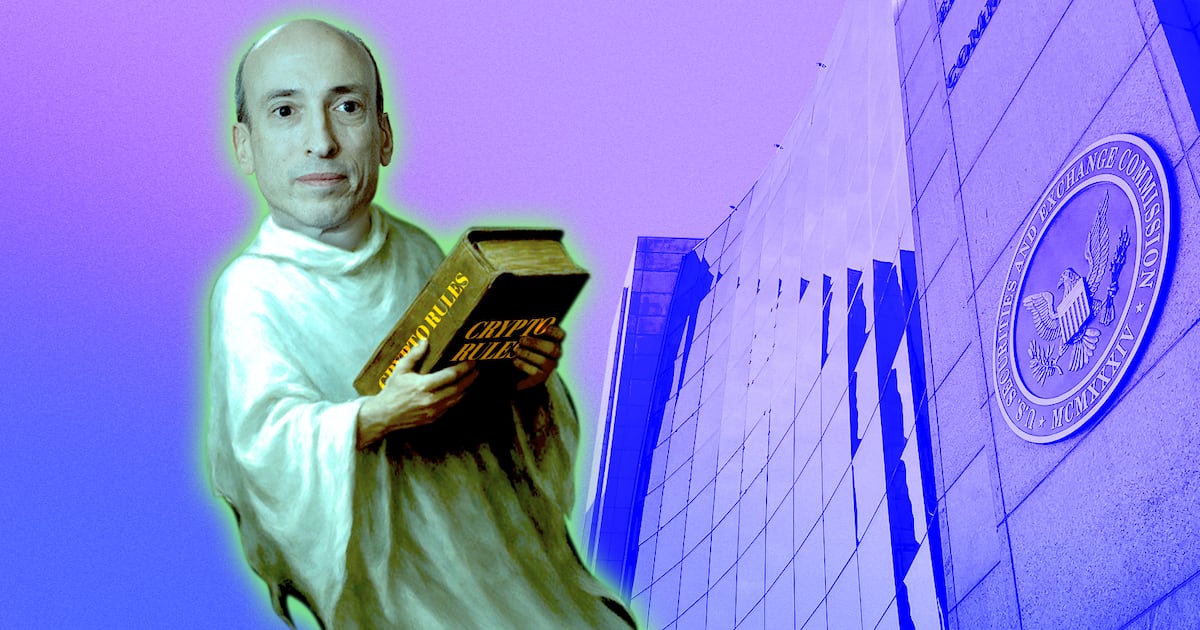
In a decisive move, SEC Chair Paul Atkins has officially rescinded multiple crypto rule proposals established during Gary Gensler's tenure as the Securities and Exchange Commission's head. This action marks a significant shift in the regulatory landscape for cryptocurrency in the United States, as Atkins seeks to mitigate what he and many critics view as overreach in Gensler's approach.
On Thursday, the SEC withdrew over a dozen rulemakings, eliminating stringent controls like an attempt to redefine decentralized finance (DeFi) protocols as securities exchanges, alongside proposed changes to crypto custody standards and broker order execution practices. "Down goes 3b16, qualified custodian, and all the other unfinished Gensler rule proposals," noted Paul Grewal, chief legal officer at Coinbase, in a social media post.
These rollbacks are part of a broader effort by Atkins to unwind numerous Gensler-era initiatives, including past actions against staking, major changes to market structure, and ongoing litigation involving crypto assets. The former chair's proposals had sparked backlash from various stakeholders who believed they threatened the growth of innovative financial technologies and limited access to digital currencies.

Among the rescinded proposals was 'Rule 3b-16,' a measure aimed at significantly enlarging the SEC's regulatory jurisdiction. This plan sought to classify not only centralized trading platforms but also DeFi protocols, open-source developers, and even social media chat groups like Discord and Telegram—especially if these platforms facilitated the trading of tokens deemed to be securities. Critics voiced their concerns over the vague language within the proposal, suggesting it would create overwhelming liability for any party involved in the buying and selling of cryptocurrency.
"The proposal fails to give clear and specific notice to a potentially regulated class," observed Gus Coldebella and Gregory Xethalis in their 2022 comment letter. They cautioned that the extensive document, spanning over 650 pages, failed to mention critical terms like crypto, blockchain, or DeFi but nonetheless opened the path for potential enforcement against these sectors.
Atkins's latest actions appear to respond to these critical viewpoints, aiming to prevent what many had termed as 'regulation by surprise.' The previous regime's inclination to broaden regulatory oversight drew extensive opposition, particularly from developers and platforms essential to the cryptocurrency ecosystem.
Further contributing to the regulatory dialogue was the now-canceled 'qualified custodian' rule, which sought to limit investment advisers to using only SEC-approved custodians for digital assets. While proponents claimed this would protect investor assets, many critics interpreted this as a veiled prohibition on institutional involvement in cryptocurrency. The requirement would have barred most crypto-native custodians from operating in the advisory space, effectively severing access for pension funds, endowments, and wealth managers from the burgeoning digital asset market. "Absent a suitable self-custodial exception," said one critic, the rule risked hindering the ability of institutional players to engage in crypto investments.

In a broader context, these regulatory reversals reflect an evolving understanding of cryptocurrency within traditional financial frameworks. The SEC under Atkins signals a willingness—at least in part—to adapt regulatory measures in alignment with the unique characteristics and challenges presented by blockchain technology and digital assets. As the industry continues to develop, the implications of these changes may foster an environment of increased innovation while navigating the complex balance of necessary investor protections.
Moving forward, the industry will keenly observe how the SEC under Paul Atkins navigates its regulatory agenda. The withdrawal of Gensler-era proposals may not only reshape current market practices but also redefine the future of regulatory expectations in the crypto space, balancing innovation with appropriate oversight.