
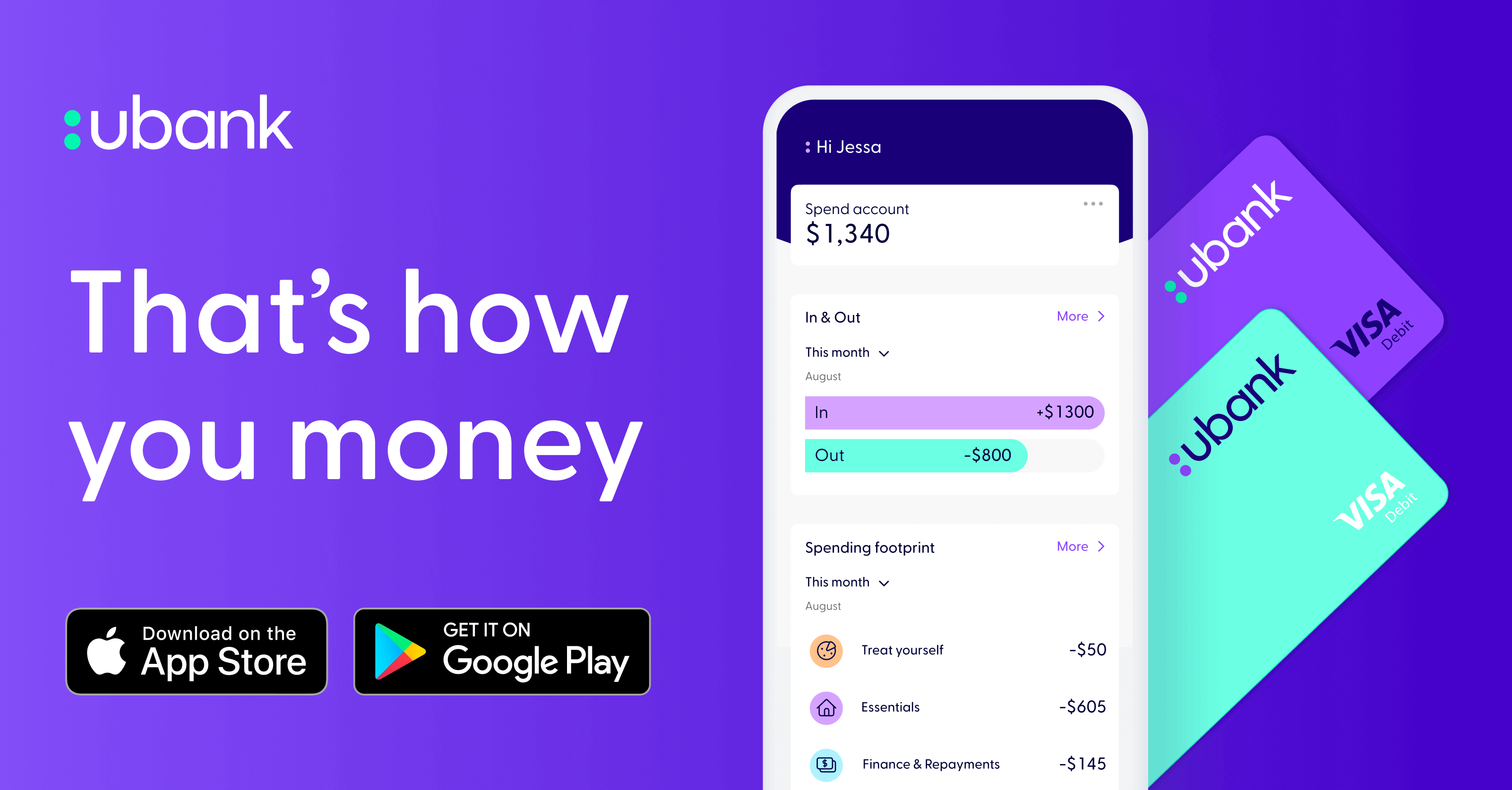
Ubank has rolled out fresh features within its app aimed at simplifying money management for its customers. Amid the rising cost of living, the Australian digital bank is focusing on enhancing users’ budgeting capabilities to help them manage their bills and committed expenses efficiently.
In recent research, Ubank identified that financial stress is primarily driven by three main factors: difficulty in budgeting due to increased living costs (36%), dwindling savings (34%), and insufficient funds for emergencies (33%). Addressing these concerns, Ubank aims to foster a more 'cash conscious' attitude among its customers, particularly among Gen Z, who are increasingly practicing techniques like 'loud budgeting' and implementing 'no or low-spending months.'
To assist its customers, Ubank introduced the Pay Cycle feature which allows users to track the time until their next payday. This feature not only provides insights into upcoming income and expenses but encourages better cash flow management.
"We know our customers are increasingly facing the same challenges week on week; how long does my pay have to last, how much of my pay is already committed, what trade-offs can I make, and what’s safe to spend," said Andrew Morrison, Ubank’s Chief Product and Growth Officer.
Morrison also noted, "The first thing our customers want to know is how long the money they have in their Spend account has to last until they get paid next." Since the feature’s introduction in December, around six percent of Ubank’s active customer base has embraced it, and surprisingly, 63 percent have opted for fortnightly pay cycles, aligning with the Australian Bureau of Statistics, which states that 52 percent of employees are paid in this manner.
"As we market this in the coming months, we expect to see many more customers engage with this feature," Morrison added, reflecting optimism about user engagement with this new functionality.
Following the Pay Cycle, Ubank has also launched the Bill Planner feature, which allows customers to better manage their recurring expenses. This feature lets users manually add and modify bill reminders, ensuring they align with their pay schedules for improved budgeting.
"Now customers can log into the Ubank app and manually add and edit bill reminders, aligning them with their pay cycles for better budgeting," Morrison explained. He noted that future updates for the Bill Planner will include predictive functionalities that can anticipate upcoming bills, enhancing the overall user experience.
Complementing the Bill Planner is the new Bills account, which aims to streamline bill payments and budget allocation. This dedicated space enables customers to set aside funds for their committed expenses, ensuring they are always prepared for upcoming bills.
With a digital card integrated into the Bills account, Ubank facilitates seamless transactions directly from this allocation, making it easier for customers to manage their finances.
As a customer-oriented enterprise, Ubank is keen on iterating its app features based on user feedback. Morrison emphasized the importance of understanding customer needs through their newly established research panel, which allows for ongoing improvements.

"This is where we can iteratively improve our app offerings based on user insights. This approach ensures that features like Pay Cycle, Bill Planner, and Bills account will evolve to meet the changing needs of our customers," he said.
With a focus on committed expenses and budgeting, Ubank customers can now make informed decisions regarding their spending habits. Morrison outlined the freedom that comes from effective budgeting, saying, "Once they’ve budgeted for the committed bills and expenses and saved with their savings goals, what’s left over is the stress-free money. It’s the money our customers should be able to do whatever they want with and feel absolutely no guilt because they know that they’ve already taken care of their savings goals and commitments."
As Ubank continues to innovate, these features reflect a growing trend toward financial literacy and empowerment among consumers. The future enhancements promise to make managing money easier and help customers navigate their financial journeys with confidence.