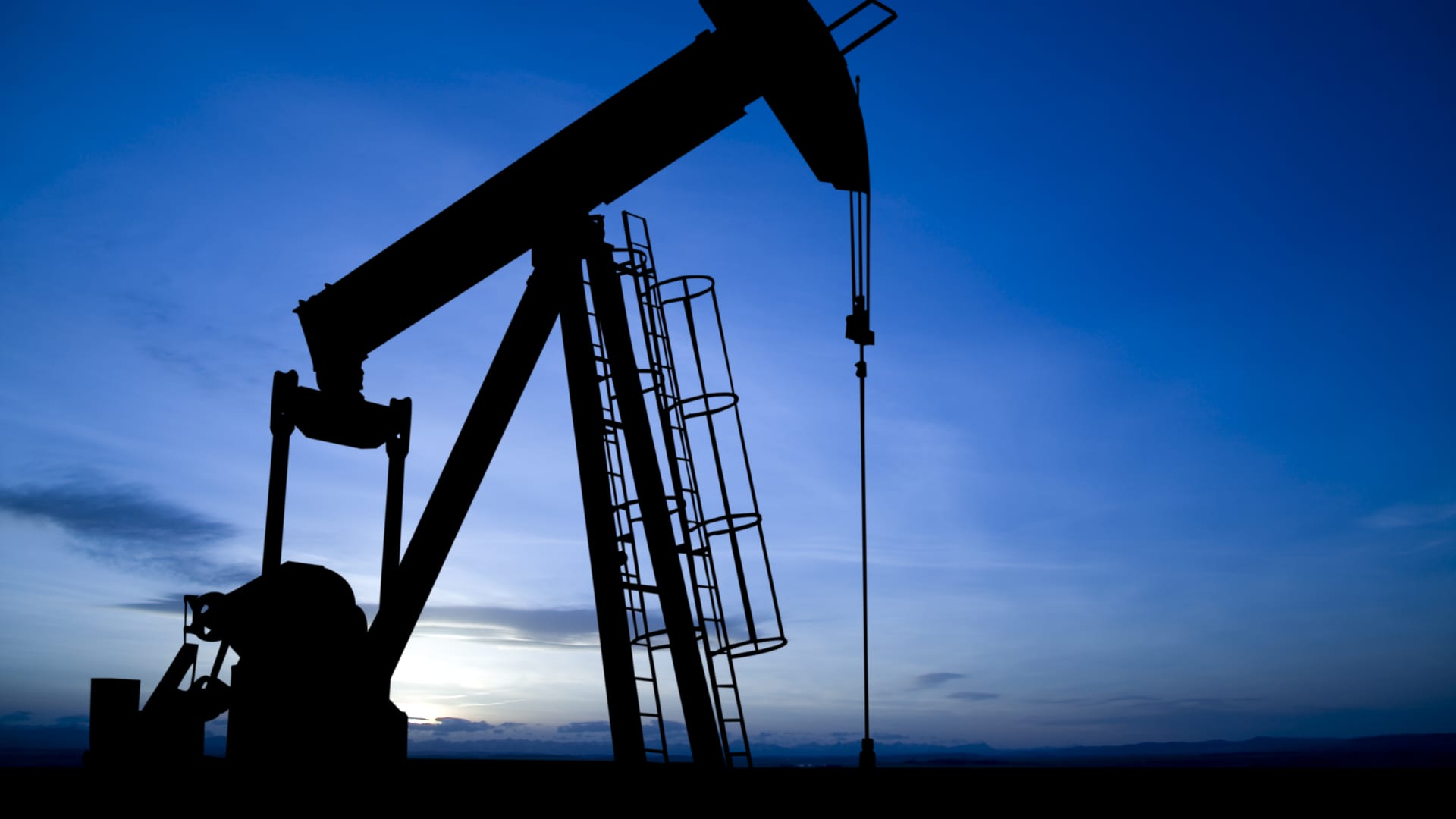
On Wednesday, oil prices experienced a significant decline, dropping more than $2 a barrel. This downward movement can be largely attributed to a report from the Organization of the Petroleum Exporting Countries (OPEC) projecting that global oil supply would align with demand in 2026, a clear shift from previous forecasts that anticipated a supply deficit.
Brent crude futures fell by $2.45, or 3.76%, ultimately closing at $62.71 a barrel. Likewise, U.S. West Texas Intermediate (WTI) crude saw a decrease of $2.55, or 4.18%, settling at $58.49. The OPEC report indicated that an increase in production from the wider OPEC+ group would result in world oil supply matching demand next year, contradicting earlier estimates.
"The prospect that the market is in balance is definitely what drove down prices," explained Phil Flynn, a senior analyst with Price Futures Group. He pointed out that the market's perception of equilibrium in supply and demand led to a reaction that prioritized OPEC's insights over those from the International Energy Agency (IEA).

"The prospect that the market is in balance is definitely what drove down prices,"

In a related context, the IEA's annual World Energy Outlook forecasted that both oil and gas demand could see growth extending until 2050. This marks a notable shift from their earlier predictions that envisaged a peak in global oil demand within this decade.

John Kilduff, a partner at Again Capital, asserted that the OPEC outlook comes amid reports of some crude sellers struggling to secure buyers. "There are cargoes going begging," he remarked, indicating that some segments of the market are experiencing significant pressure.
"There are cargoes going begging,"


Industry analysts have long suggested that an oversupply of crude oil has been fundamental in limiting price increases. Earlier this month, OPEC+ agreed to pause any production increases for the first quarter of the coming year, after having sequentially unwound prior output cuts imposed since August.
However, there remains a brighter scenario on the horizon. IG Market analyst Tony Sycamore mentioned that the anticipated reopening of the U.S. government could potentially enhance consumer confidence and economic activity. This, in turn, could spur an uptick in crude oil demand.
The U.S. House of Representatives, under Republican control, was expected to vote later on Wednesday on a bill that, having received Senate approval, would restore funding to government agencies through January 30. Such legislative actions could lend support to the overall economic environment.
Attention now turns to the upcoming release of the U.S. Energy Information Administration's (EIA) outlook on Thursday, which could provide further insights into the oil market dynamics as it stands. With fluctuating forecasts and economic factors at play, the oil industry appears to be navigating challenging yet potentially transformative waters.