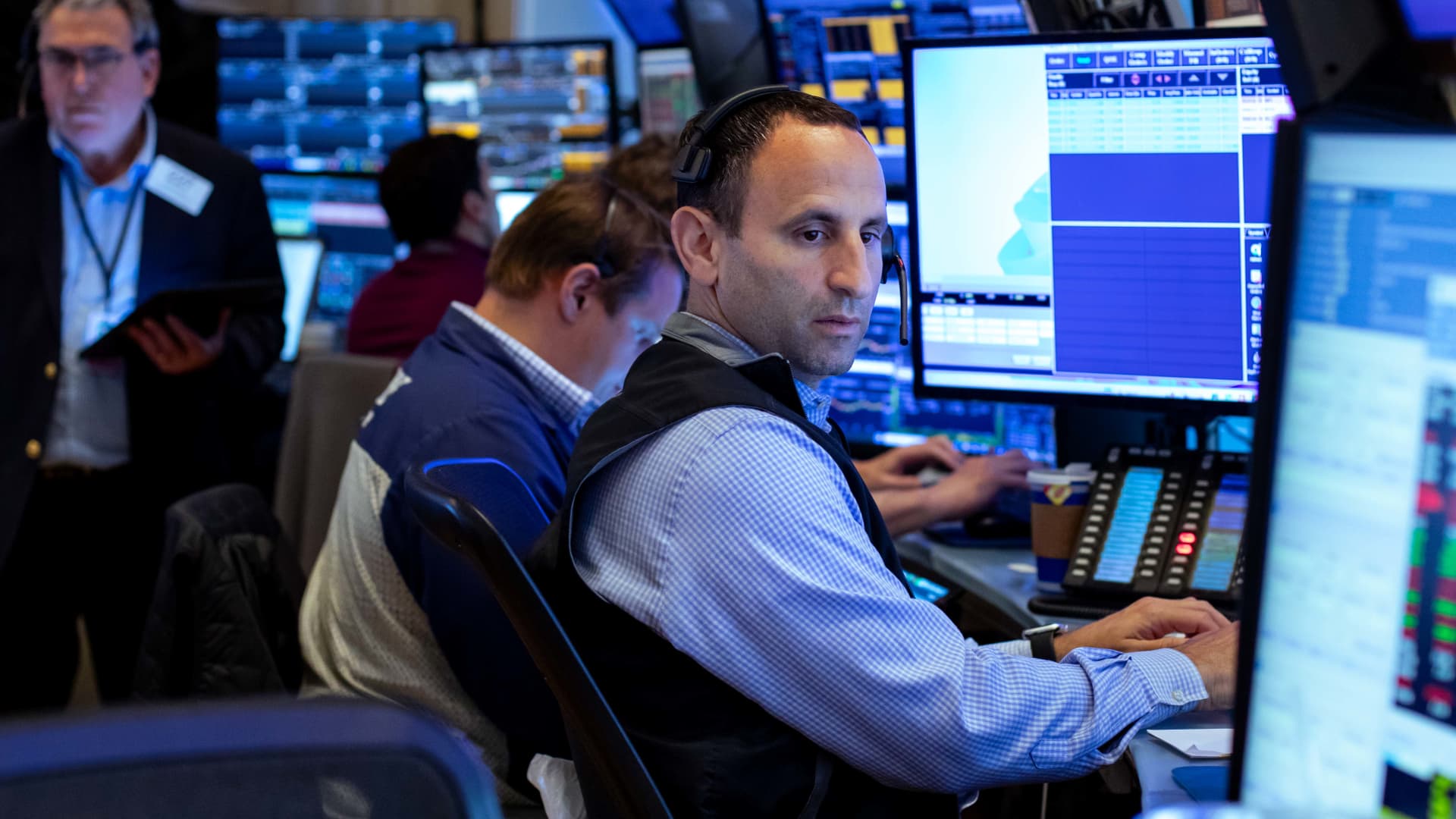
On July 14, 2025, the S&P 500 managed a modest gain, buoyed by traders' optimism regarding potential tariff reductions before the approaching August 1 deadline. The movement in the market reflects a cautious but hopeful sentiment as investors keep a close watch on trade negotiations.
"We see small gains today as market participants are weighing the possibility of tariff cuts in the upcoming negotiations," said Mark Ophthalm, a market analyst at Global Insights. The anticipation for relief from tariffs has been fueling the market, as discussions surrounding trade policies dominate the economic landscape.
"We see small gains today as market participants are weighing the possibility of tariff cuts in the upcoming negotiations,"


As the August deadline looms, traders are hopeful that a resolution can be reached, which could stabilize the economy further. "If tariffs are lowered, it could provide a much-needed boost to several sectors that have felt the strain of increased costs," said Sarah Warner, a financial advisor.
"If tariffs are lowered, it could provide a much-needed boost to several sectors that have felt the strain of increased costs,"

The stock market has shown resilience over the past week, despite ongoing concerns about inflation and global supply chain issues. "Even with the challenges we face, there's a glimmer of hope that governments will manage to navigate this landscape effectively," stated Tom Renfield, an economist. The mixed signals in the marketplace highlight the fragility of the current economic recovery.
"Even with the challenges we face, there's a glimmer of hope that governments will manage to navigate this landscape effectively,"

In particular, sectors such as technology and consumer goods are under scrutiny, as they are often the most affected by tariff changes. "These sectors can thrive if they are relieved from the current pressures that tariffs place on them," explained Lisa Hart, a retail industry expert.

"These sectors can thrive if they are relieved from the current pressures that tariffs place on them,"
Looking Ahead
Looking Ahead
Looking Ahead
Looking ahead, analysts are closely monitoring Washington's approach to trade discussions. The outcome of these negotiations could have far-reaching effects on investor sentiment and market stability in the coming weeks. "Investors are definitely feeling the pressure of the deadlines, but there's also a sense that we'll see some action before then," noted Richard Weathers, a senior trader at Apex Financial.
"Investors are definitely feeling the pressure of the deadlines, but there's also a sense that we'll see some action before then,"
Some experts believe that proactive measures from policymakers can play a crucial role in shaping market outcomes. "If we see a clear commitment to reducing trade barriers, we could see an immediate positive response from the markets," suggested analyst Lisa O’Neill.
"If we see a clear commitment to reducing trade barriers, we could see an immediate positive response from the markets,"
In addition, inflation remains a significant concern as the Federal Reserve maintains its stance on interest rates. "The Fed's decisions will be critical in shaping the financial landscape, particularly with regard to how they respond to inflation pressures," remarked economist Harold Finch.
"The Fed's decisions will be critical in shaping the financial landscape, particularly with regard to how they respond to inflation pressures,"
Race Results
Race Results
With mixed economic data being released, traders remain vigilant, ready to adjust their strategies based on new developments. As the market reacts to these evolving conditions, expectations for concrete action from lawmakers can result in fluctuations in stock prices. "Uncertainty can lead to volatility, but strategic responses from corporations and investments can help weather the storms ahead," said investment strategist Greta Field.
"Uncertainty can lead to volatility, but strategic responses from corporations and investments can help weather the storms ahead,"
The outlook for the days leading up to the August 1 deadline remains uncertain, but the hope for tariff reductions could act as a catalyst for market rallies. "We have to keep an eye on the signals coming from Washington; they will dictate the direction of the markets in the immediate term," warned trader Phil Chester.
"We have to keep an eye on the signals coming from Washington; they will dictate the direction of the markets in the immediate term,"
In the broader context, the S&P 500’s performance on July 14 reflects the delicate balance traders must strike between optimism and caution as they navigate through ongoing economic uncertainties. With potential policy changes on the horizon, the coming weeks are likely to be pivotal for investors and the overall market.
As traders brace for what lies ahead, the collective anticipation around trade negotiations underscores the never-ending interplay between fiscal policy and market movements. With a careful eye on developments, investors remain poised for action as they hope for productive outcomes from the impending discussions.